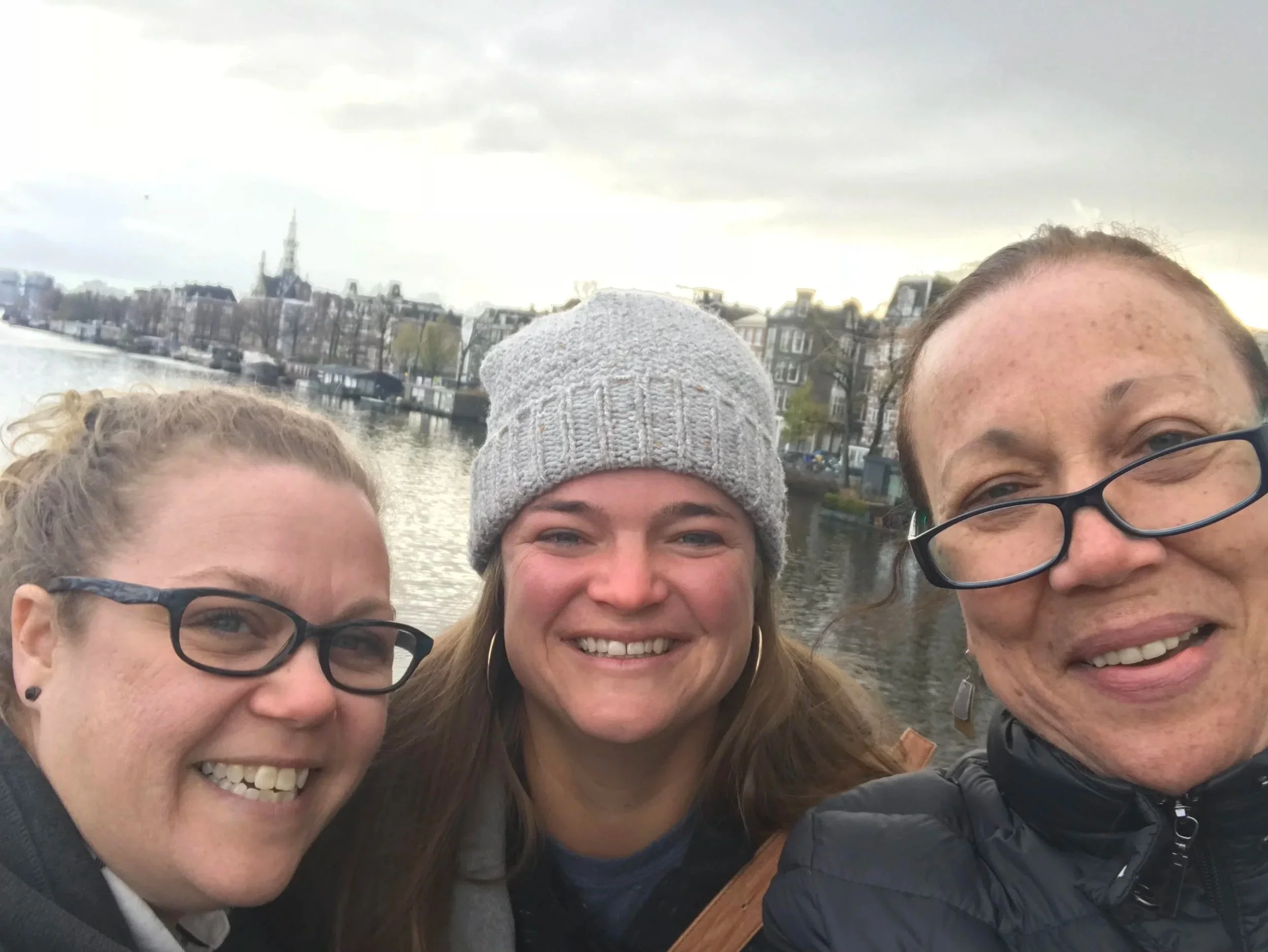
An Equity-Based Approach in Amsterdam
Why does equity matter in community engagement?
I was talking with a city planner yesterday who works for a firm that specializes in community preservation and planning through community engagement. They shared that many of the recent comprehensive city plans they have created have been for primarily affluent cities where most people identify as white, and so they have not needed to take an equity approach. Not taking an equity approach means they have not translated their engagement strategies into languages other than English and have not taken a focused effort to hear specifically from community members who have disabilities, the city’s youth, community members of color & LGBTQ+ people. They haven’t recognized how difficult it is to openly share your true thoughts when you are the only in the room. The only Black or Brown person, or the only Queer or young person, or the only person in the room who is hard of hearing.
I left the call with this planner thinking, wow, your work could be so much stronger. I was surprised that with their 20+ years of experience, they did not see the benefits of having an equity approach to community engagement.
Many of us are familiar with the research around the added benefits of diversity in high-performing organizations; the more perspectives shared, the higher quality a final decision or product will be. The same is true when we are determining community priorities and making community action plans. With more diversity and a broader range of perspectives shared, the final plan will be stronger and serve more members of our community, not just those who may have been easiest to hear from.
The question then is, what does taking an equity approach look like in community engagement?
Holding focus groups for specific demographic groups and partnering with local non-profits that serve the community members you want to attract.
✨Offering a financial incentive for participation in a community survey or for those serving on a community advisory group.
Here are a few more examples from a project I worked on in Amsterdam with the wonderful Anita Cooke Wells and Mary Huntington, MSOD, PHR. The final goal of our project was to create an action plan to help fight social isolation and depression among adults over 67 in a specific neighborhood of Amsterdam known as the Indische Buurt.
✨ We held focus groups in the cafeteria of a retirement home in the neighborhood we were serving. By traveling to the community members we wanted to hear from, we were able to eliminate one of the largest obstacles to participation and more easily learn the perspective of aging adults with less mobility.
✨ Given that people’s primary language outside of English and Dutch was Turkish or Arabic, we made sure translation support was available whenever we were hearing from community members.
🎯 The action plan that our work informed resulted in connecting aging adults with local schools and the creation of new walking paths, shuttle transportation to community centers, a senior-run bakery, and a new position in the local government dedicated to combating social isolation among older adults.
Taking an equity approach for this project meant that we needed to be more intentional with how we connected with community members. The reward was a final plan that served more people than we could have imagined, and an opportunity to have a lot of fun while living out our values.